

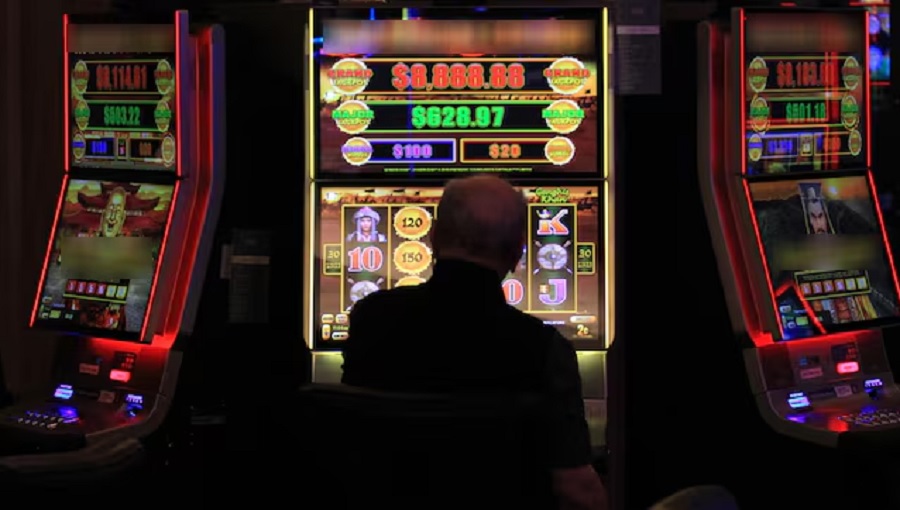
Slot machines have captivated players and thrill-seekers for well over a century, evolving from simple mechanical devices to sophisticated digital entertainments embraced worldwide. Their alluring blend of chance, excitement, and accessibility makes them a cornerstone of both traditional casinos and modern online gaming platforms. This article takes a comprehensive look at the history, mechanics, and enduring appeal of slot machines, unpacking why they continue to mesmerize players in the digital age.
The Origins of Slot Machines: Crafting a New Kind of Entertainment
The roots of the slot machine trace back to the late 19th century with Charles Fey, a German immigrant and skilled mechanic in San Francisco. In 1895, he developed the legendary Liberty Bell, the first mechanical slot machine recognizable by today’s standards. It featured three spinning reels adorned with symbols such as horseshoes, diamonds, spades, hearts, and the iconic Liberty Bell.
The machine allowed players to insert a coin, pull a lever, and watch the reels spin with anticipation. A jackpot-winning combination of three Liberty Bells would award the highest prize. This model was groundbreaking for several reasons, mainly because it introduced an automatic payout mechanism, unlike earlier gambling devices that simply rewarded players informally or with non-monetary prizes.
Before Fey’s innovation, machines like the 1891 Sittman and Pitt model existed, which incorporated poker cards on five drums but lacked any automatic payout feature. Instead, winners might receive drinks or cigars at the establishment where the machine was located.
The Golden Age of Mechanical Slots
Following the Liberty Bell’s success, slot machines swiftly gained popularity across bars, saloons, and various public venues. The early 20th century introduced the now-iconic fruit symbols—cherries, lemons, and plums—which initially served as a clever workaround to gambling restrictions by allowing operators to award fruit-flavored gum or candy rather than cash prizes.
Mechanical slot machines represented an art of engineering, where the physical spinning of reels, the clacking noise, and the satisfying pull of the side lever created a unique, sensory gambling experience. However, the inherent constraints of mechanical design limited the complexity and the variety of slot games available.
The Transition to Electromechanical and Video Slots
The 1960s marked a pivotal era in slot machine history with the emergence of electromechanical machines. In 1964, Bally Manufacturing Co. introduced Money Honey, the first fully electromechanical slot machine. Though players still pulled a lever, electricity powered the reels and payout mechanisms, paving the way for greater automation and bigger payouts.
This innovation made it possible to incorporate new features like larger coin hoppers and automatic payouts of hundreds of coins without human assistance, vastly enhancing the player experience.
By the mid-1970s, video slot machines arrived on the scene. Fortune Coin Co. developed the first video slot in 1976, replacing mechanical reels with a digital display using a modified Sony color television. This leap enabled game designers to add vibrant graphics, engaging animations, and interactive bonus rounds, transforming the slot from a simple chance-based game into a dynamic entertainment experience.
The Psychology of Slot Machines: More Than Just Luck
Slot machines are masterclasses in psychological engagement. The sensory stimulation—flashing lights, ringing bells, and spinning reels—is designed to trigger pleasure centers in the brain. Dopamine release during wins and near-misses encourages players to continue for longer periods, explaining the addictive allure behind spinning reels.
Players often enter a flow state known as “the machine zone,” where they become completely engrossed in the gameplay, losing track of time and surroundings. This heightened focus fuels the excitement and emotional investment in each spin’s outcome.
Modern Innovations: Redefining the Slot Experience
Today’s slot machines are technological marvels, mixing traditional excitement with modern advances in gaming design and digital technology. Innovations include:
-
Mobile and Online Slots: Allowing play anytime, anywhere on various devices.
-
3D Graphics and Theming: Immersive worlds from ancient myths to blockbuster movies.
-
Progressive Jackpots: Pooling bets across a network of machines for life-changing prizes.
-
Interactive Features: Multi-level bonus games and skill-based elements enriching gameplay.
-
Responsible Gaming Interfaces: Tools for budget controls and self-exclusion to promote safer play.
Artificial intelligence and virtual reality represent the next frontier, making slot gaming increasingly personalized and interactive.
Why Slots Remain Unmatched in Popularity
-
Accessibility: Slots require no special skills, making them inviting for novice and veteran players alike.
-
Instant Gratification: Rapid spins and frequent small wins fuel continual player engagement.
-
Variety and Innovation: Constantly refreshed game themes and features capture diverse tastes.
-
Sensory Appeal: Audio-visual stimulation heightens emotional excitement.
-
Social Aspect: Even as solitary games, slots often foster community in physical and virtual casino environments.
Conclusion
Slot machines represent an enduring fusion of simple chance mechanics with progressively sophisticated technology and game design. Since Charles Fey’s Liberty Bell first rang over a century ago, the evolution has been relentless—reflecting both human ingenuity and our universal desire for excitement and reward. From mechanical reels to digital marvels, slot machines not only entertain millions worldwide but also hold a mirror to cultural shifts and technological progress, ensuring their place in the future of gaming for decades to come.
