

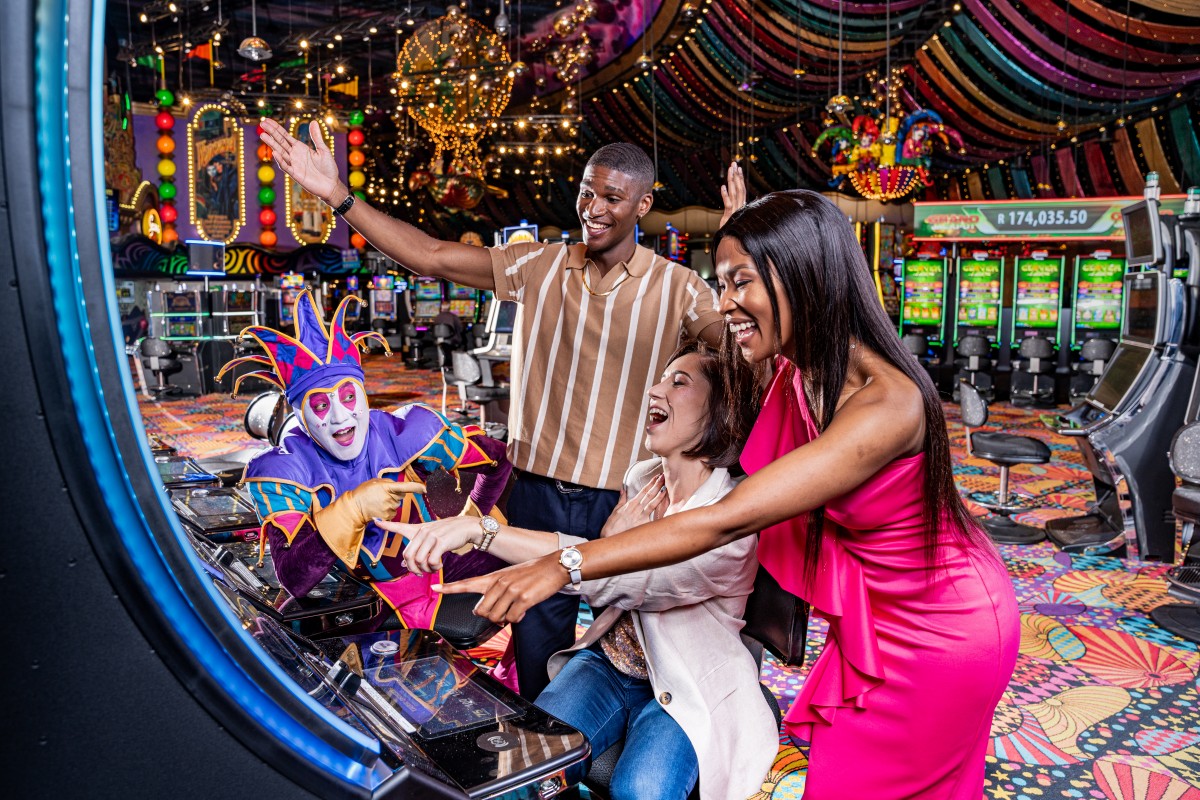
Slot machines have long captured the imagination and pockets of players around the world. With their scintillating lights, hypnotic spins, and promises of fortune, these machines stand as icons in the gaming and casino industries. Yet, beyond the flashing visuals lies a rich history and a dynamic evolution that illustrates both technological innovation and cultural fascination. This article explores the captivating journey of slot machines, delves into the mechanics of their appeal, and offers insights into their ongoing relevance in the modern era.
The Origins: A Mechanical Revolution
The story of slot machines dates back to the late 19th century, an era marked by industrial innovation and burgeoning leisure pursuits. The earliest incarnation was created by a Brooklyn-based company, Sittman and Pitt, in 1891. Their machine employed five drums with 50 playing cards, allowing players to pull a lever and attempt to assemble poker hands. Although these machines didn’t dispense money automatically—winners were often rewarded with cigars or drinks from the establishment—the novelty of chance and risk captured the public’s imagination.
The true transformative breakthrough came with Charles Fey, a mechanic from San Francisco, who in 1894 designed what is now considered the first true slot machine: the Liberty Bell. This machine simplified the mechanics with three spinning reels and just five symbols—horseshoes, diamonds, spades, hearts, and the iconic Liberty Bell. Pulling the lever set the reels in motion, and lining up three Liberty Bells awarded the highest payout of ten nickels. Fey’s invention was groundbreaking, introducing the first automatic payout mechanism and setting the foundation for the modern slot machine industry.
The Evolution: From Mechanical to Digital
Classic Mechanical Slots
For decades, slot machines relied on intricate mechanical components—reels, gears, and levers—that mesmerized players with their tangible, physical operation. In the early 20th century, the addition of fruit symbols—cherries, lemons, and plums—became synonymous with slot machines. This design nod partly originated as a workaround to anti-gambling laws, allowing operators to dispense fruit-flavored gum or candy as prizes instead of cash.
The mechanical era machines were beloved for their clinking sounds, the satisfying feel of pulling a lever, and the suspense of watching the reels slowly come to a halt. However, these machines faced inherent limitations in their complexity, design variety, and payout structures.
The Digital Leap
The 1970s ushered in a revolutionary shift with the introduction of electronic slot machines. The Bally Technologies’ “Money Honey” was a pioneer, using electronic components to determine outcomes and enabling automatic coin payouts without mechanical coin trays. This breakthrough catalyzed multiple innovations: more complex bonus games, multi-line betting, and higher payout variability.
By the 1980s and 1990s, video slot machines replaced physical reels with on-screen graphics, opening vast possibilities for immersive themes, animations, and sound effects. The digital transformation allowed slot manufacturers to diversify their portfolios drastically, catering to myriad player preferences with themes ranging from ancient civilizations to popular culture icons.
The Psychology Behind the Spin
Why do slot machines continue to captivate millions? The answer lies partly in human psychology. Slot machines are designed to evoke excitement and anticipation. The ever-changing lights, sounds, and sensory feedback create a multi-layered experience that can engross players for hours.
The phenomenon called “the machine zone” refers to a trance-like state where players lose track of time and surroundings, absorbed solely in the rhythm of spinning reels. This immersive experience touches on behavioral conditioning, where near wins trigger dopamine surges, reinforcing continued play.
Casinos further enhance this engagement through strategic layout designs, ensuring slot machines are placed in visually stimulating environments with minimal distractions. Slot machines are also highly accessible, allowing players of all skill levels to participate with minimal learning curves.
Modern Trends and Future Directions
Today, slots dominate casino floors worldwide, generating the largest share of revenue in many establishments. The rise of online gambling and mobile slots have exponentially expanded their reach. Players can now enjoy hundreds of slot titles on smartphones and computers, with innovations such as 3D graphics, virtual reality, and interactive bonus rounds further enriching the experience.
Moreover, server-based systems and advanced casino management software enable operators to tailor gaming experiences, monitor player behavior, and introduce dynamic promotions. These technological leaps not only enhance playability but also address responsible gaming practices by offering self-limiting options.
Why Slots Endure
-
Simplicity meets excitement: Anyone can play without complex rules, yet the thrill of winning remains high.
-
Constant innovation: New themes, bonus features, and technologies keep the experience fresh.
-
Emotional engagement: Sensory design and random rewards sustain player interest.
-
Accessibility: Physical presence in casinos and availability online make slots ubiquitous.
-
Social and entertainment value: Despite being solitary games, slots often serve as shared entertainment in social settings.
Conclusion
Slot machines exemplify how an invention over a century old can reinvent itself continually while maintaining its core appeal. From the clunky Liberty Bell to immersive digital worlds on mobile devices, slots marry simplicity with cutting-edge technology, engaging players through sensory allure and psychological insight. Their enduring presence in casinos and online platforms worldwide is a testament to their unique ability to entertain, enthrall, and occasionally enrich players lucky enough to hit the winning combination.
