

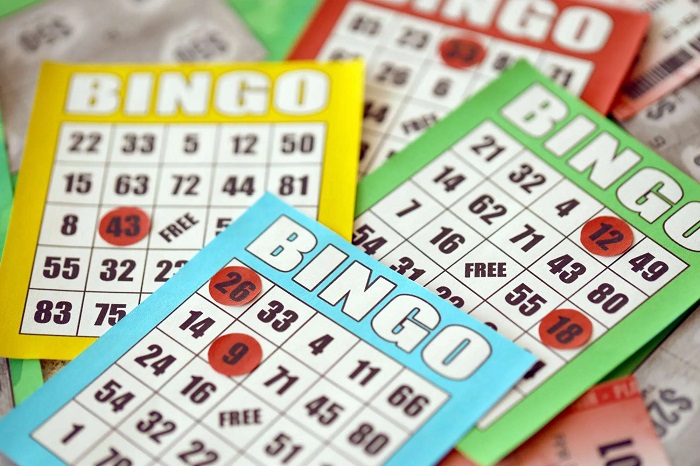
The five-by-five grid is one of the most resilient pieces of game architecture in modern history. For nearly a century, that layout remained almost exclusively tethered to ping-pong balls, spinning cages, and callers announcing randomized numerical pairs from one to seventy-five. While that classic framework established the game as a global pastime, modern event producers, educators, and social groups have realized that the grid itself is completely agnostic to what fills its boxes.
By stripping away the traditional digits and replacing them with sensory cues, cultural milestones, and real-time human interactions, innovative creators have sparked an unprecedented renaissance. Today, the game operates less as a static lottery and more as an adaptable canvas for storytelling, observation, and communal play.
The Sonic Revolution: Audio and Music-Driven Grids
The most widespread departure from standard numbering replaces vocalized letters and numbers with sound. Music bingo has swept through independent breweries, college campuses, and private gatherings by fundamentally altering how participants consume audio. Instead of passively scanning a card for a digit, players listen to curated audio snippets played by a live DJ or event host.
The mechanics require active auditory recognition. A caller might play twenty seconds of a recognizable synth-pop riff, a classic television theme song, or a signature drum break. Players must recognize the track, identify the song title or artist, determine if it appears on their card, and mark it before the next sample begins.
This auditory layer introduces energy that standard calls simply cannot replicate. A room of strangers listening for numerical combinations usually sits in focused silence. That same room listening for throwback hip-hop anthems or eighties hair-metal choruses inevitably turns into an impromptu singalong. By making sound recognition the central mechanic, the game shifts from solitary card management into an energetic social concert.
Visual and Observational Grids: Gamifying the Physical World
Beyond sound, visual and observational variations have turned the familiar grid into a tool for real-world exploration. These formats discard the caller entirely, relying instead on ambient environments to provide the gameplay cues.
Scavenger and road-trip bingo cards replace numbers with visual prompts: a license plate from a distant state, a red barn, a specific species of wildflower, or a bridge with exposed steel trusses. Rather than generating quick wins in an hour-long sitting, these games unfold over hours or days, transforming mundane travel or outdoor hikes into immersive visual scavenger hunts.
City festivals, conventions, and natural parks have embraced this strategy to encourage foot traffic. A craft beer festival might hand out grids featuring specific flavor notes, brewery logo styles, or brewing methods. Attendees navigate the festival grounds intentionally, using the card as an interactive roadmap. Observational gameplay rewards presence, requiring participants to pay closer attention to their physical surroundings than they otherwise would.
Narrative and Trope-Based Variations
The rise of dedicated fandoms and binge-watching culture has paved the way for media-centric grids that gamify television shows, feature films, and live broadcasts. Instead of tracking external items, players track narrative developments, dialogue quirks, and visual clichés.
Bad Movie Nights and Cinematic Clichés
Film-enthusiast communities frequently construct custom cards tailored to specific cinematic genres. For an action-movie marathon, squares might feature events like an explosion in the background that characters casually ignore, a hero running out of ammunition at a pivotal moment, or a villain detailing their master plan prematurely.
This approach turns passive media viewing into an active, collaborative critique. Viewers anticipate familiar tropes with genuine excitement rather than eye-rolling fatigue. When an expected cliché finally flashes on screen, the living room erupts, blurring the line between movie-watching and competitive play.
Live Broadcasts and Cultural Watch Parties
Annual television spectacles—ranging from red-carpet awards shows and sports championships to high-profile reality TV finales—serve as ideal territory for live-reaction gameplay. Squares cover spontaneous moments: a winner’s microphone getting cut off early, a visibly awkward teleprompter delivery, an ambitious fashion risk, or a dramatic coaching dispute.
Because live television is unpredictable, the pacing feels spontaneous. Viewers are actively invested in the peripheral, unscripted moments of the broadcast, ensuring that even a lopsided sports game or a drawn-out awards ceremony remains captivating from opening credits to final curtain.
Physical and Action-Oriented Formats
Some of the most engaging modern iterations abandon the tabletop environment altogether, requiring physical movement or social risk-taking to complete a pattern.
Fitness bingo has gained significant traction across boutique gyms, running clubs, and community wellness programs. In this format, each square features a specific physical task: twenty pushups, a five-mile run, a forty-five-second plank, or drinking a half-gallon of water before noon. Participants might have an entire week to complete a diagonal or achieve a blackout card. The format breaks large fitness goals into manageable, gamified increments, giving athletes of varied abilities a visual sense of tangible progress.
Similarly, “Human Bingo” has become a fixture of corporate onboarding seminars and university orientation weeks. The grid boxes contain personal attributes or unusual life experiences, such as having visited more than four continents, speaking three languages, or playing an uncommon instrument. To mark a square, participants must strike up conversations with peers, locate someone who matches the description, and collect their signature. The mechanic effortlessly dismantles social friction, replacing polite small talk with targeted curiosity.
Why the Grid Remains the Ultimate Social Canvas
The explosion of these creative adaptations proves that bingo’s longevity was never truly about the numbers. The true genius lies in the psychology of the grid itself.
A five-by-five matrix provides an ideal balance of low barriers to entry and escalating tension. It requires zero strategic training to understand, yet every revealed clue creates asynchronous momentum across the room. Two players can hold radically different cards, track completely different paths toward victory, and simultaneously arrive at the breathless anticipation of needing just one final cue to claim a win.
.By swapping out abstract numbers for music, visual landmarks, narrative moments, and personal connections, modern creators have unlocked the game’s full creative capacity. The format now belongs to anyone looking to make an ordinary gathering feel participatory, focused, and distinctively memorable
